

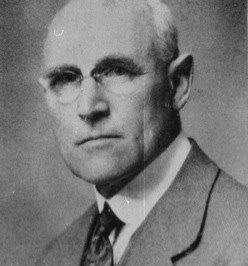

Where did Mr Sampson live?
Over the years Sampson designed hundreds of houses in Sidmouth, but which of his houses did he actually live in?
On arriving in Sidmouth, Sampson set up house at The Myrtles, located on the High Street. The Myrtles was originally built as a terrace of 8 houses, but subsequently the ground floor of all the houses have been converted to shops. Sampson lived at No 3, a building now occupied by Sarah Jane’s Café.
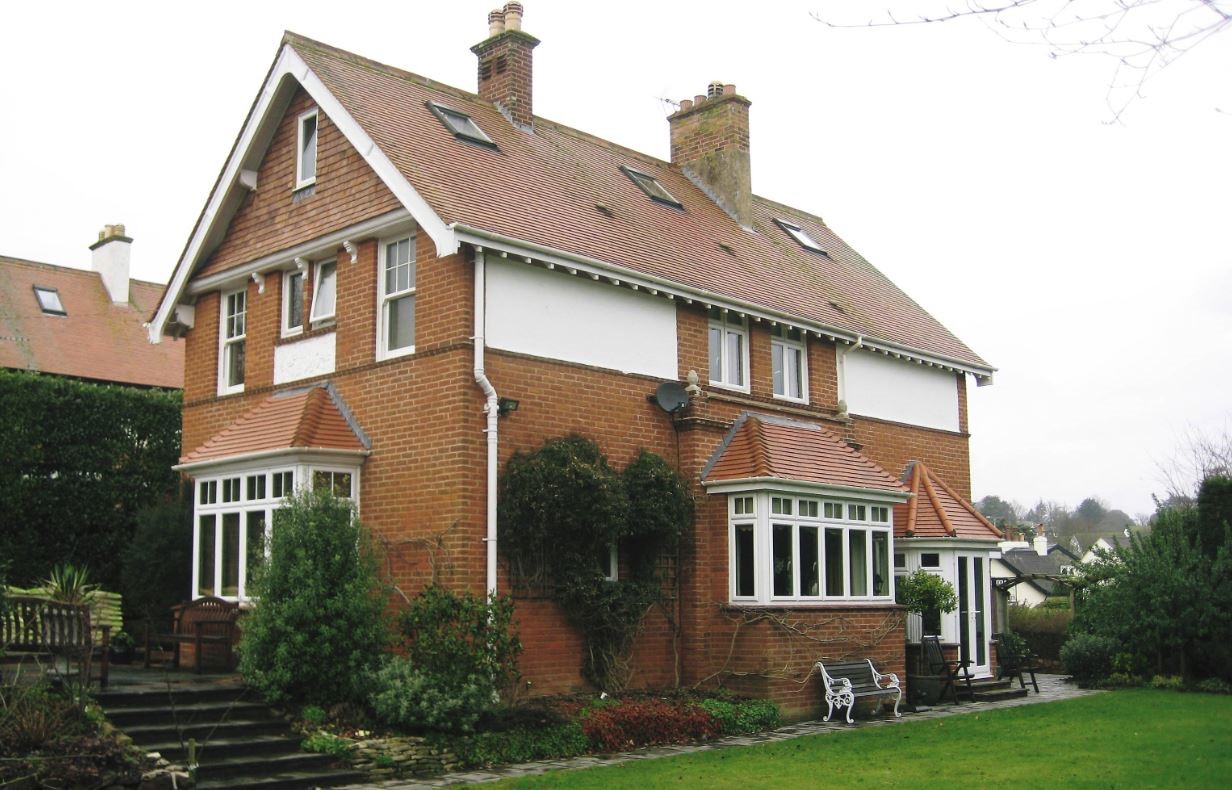
In December 1899, Mr & Mrs Sampson moved to a house on Seafield Road, the first of a number of houses that he designed for his own occupation. He called the house Wychwood Cottage, named after Helen Sampson’s birthplace in Oxfordshire (the house is now called Sunglow). The house displays many Arts & Crafts features and incorporates ornate rendered panels within the brickwork. Two of Sampson’s daughters - Winifred Mary and Helen Joyce - were born whilst living here.
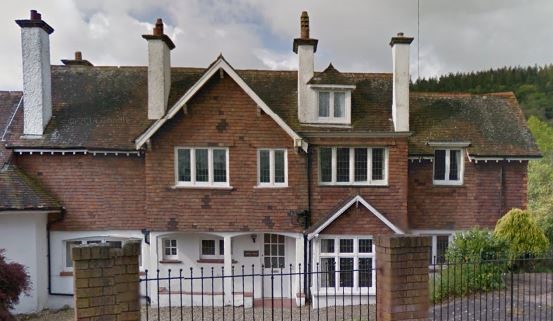
In May 1904, the family moved to a house that Sampson had designed at Convent Road. When it was built the house was known as Bickwell House, but by the 1920’s it was renamed Valley Mead. The house benefited from large gardens extending down to the newly created Bickwell Valley Road. The couple’s third daughter - Violet Daphne - was born whilst living here. A ballroom extension, designed by Sampson, was added by a subsequent owner and this now forms a separate dwelling.
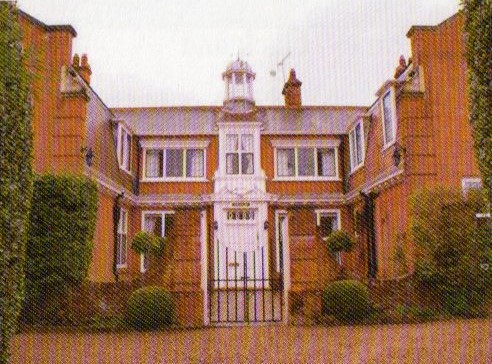
In January 1913 the family moved down the road to Marycourt. The house is said to have been named after Sampson’s eldest daughter, and is regarded by many as his finest house. Sampson designed it in a formal Queen Anne style, much in contrast with his Arts & Crafts buildings. The roof is surmounted by a belvedere topped with a weathervane incorporating “RWS”, Sampson’s initials.
By May 1918 Sampson had moved to a house called The Moorings, located on the Bickwell Valley Road (the house is now known as Longwood). The house and its two neighbours were the first to be built in Bickwell Valley following construction of the road in 1900. Designed by Sampson, the houses were built by Skinners; it is believed that the house was still in the Skinner’s ownership during Sampson’s occupation.
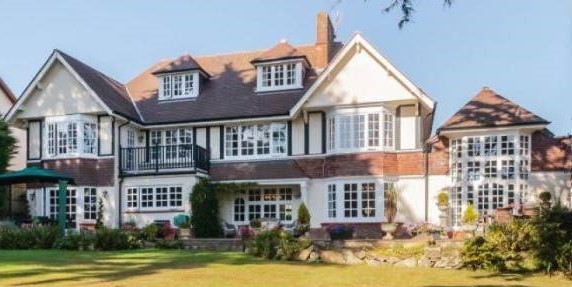
The family moved to Stokesay, a house on Convent Road, in about April 1920 (the house is now called Craiglands). The house had been built to Sampson’s design in 1909. In 1923 Sampson designed a ballroom extension which was built to the side of the original house. The extension has a modest appearance when viewed from the road, but incorporates an impressive double height window overlooking the rear garden. Sadly Sampson’s first wife, Helen, died later that year. Sampson stayed on at Stokesay, and the following year married his second wife, Doris.
With his new wife Sampson then moved to Sidbury. Initially he lived in a house that he had designed at the very top of Sidbury Hill. He called the house Shatterway, named after an area of adjacent woodland (the house has since been renamed Littlefields).
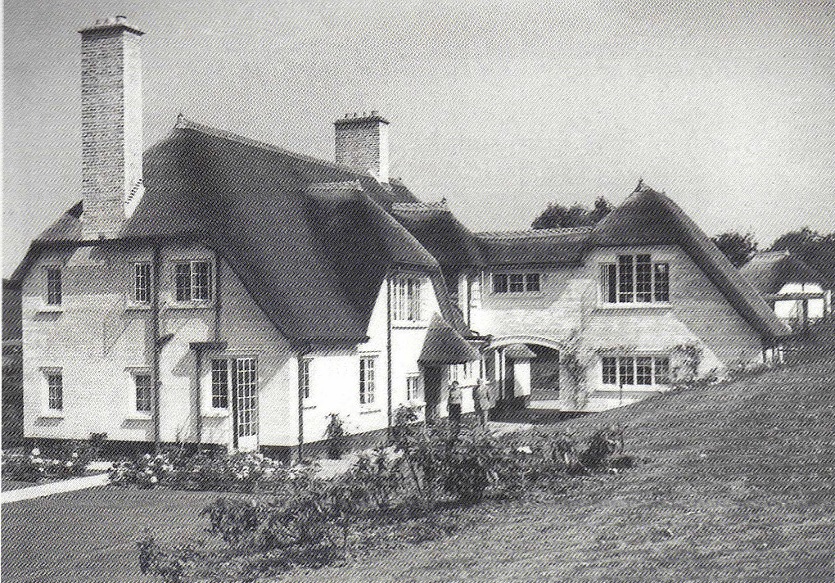
In 1936 he designed a large thatched cottage further down the slopes of Sidbury Hill. The building was reminiscent of a Devon farmhouse, and was probably the last major house he designed. Sampson stayed here until his death in 1950. The name of Shatterway was transferred from the earlier house (the house now goes by the name of Marrick House).
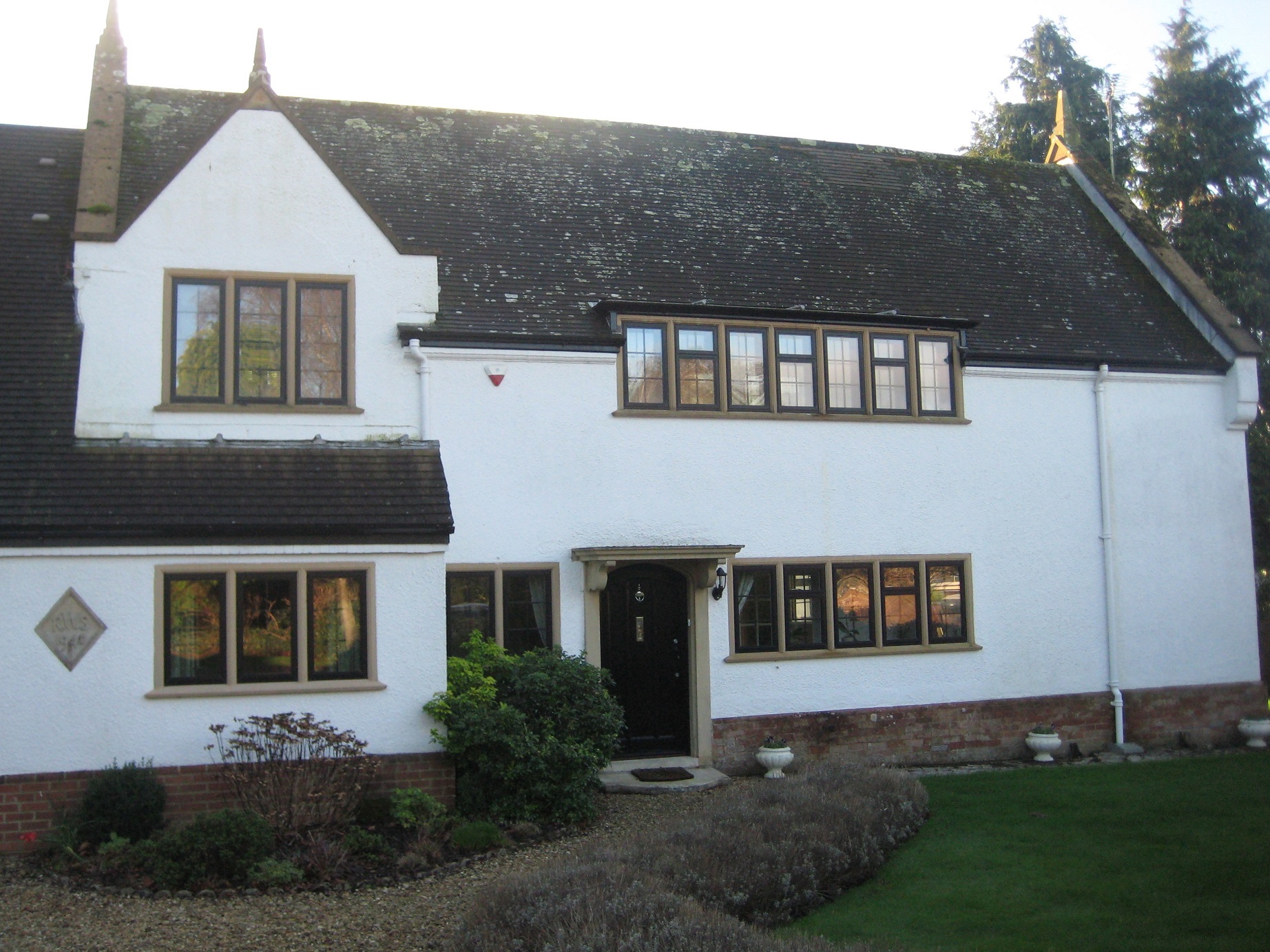
In 1940 Sampson built The Cotswold House, located at the corner of Sid Road and Redwood Road. A stone panel at the front of the house bears the inscription “RWS 1940”. Although famous for his Arts and Crafts houses, The Cotswold House and Sampson’s earlier houses at Marycourt and Shatterway are all unique in their own way. Sampson was able to design these houses without any constraints imposed by a client. By 1940 Sampson was well into his 70’s and it’s possible he built the house intending to move to somewhere more manageable and closer to the town centre. However, there is no evidence that he actually lived there.
Martin Mallinson
August 2020